Smart Brush vs Alternatives: Complete Comparison
The evolution of oral care technology has introduced innovative tools that redefine personal hygiene routines. Among these advancements, the smart brush stands out as a revolutionary device designed to enhance brushing efficiency and provide real-time feedback through connected applications. This comparison explores how the smart brush stacks up against traditional toothbrushes, electric brushes, and other emerging alternatives.
In an era where data-driven decisions shape daily habits, the integration of sensors and artificial intelligence into dental products is transforming the way individuals approach their health. The following analysis delves into the features, benefits, and potential drawbacks of the smart brush while evaluating its position within today’s competitive market landscape.
Understanding Smart Brush Technology
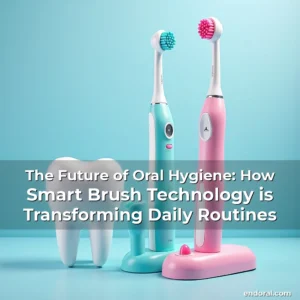
A smart brush combines advanced sensor technology with mobile connectivity to offer users personalized oral care solutions. Unlike conventional manual brushes, which rely solely on user technique, smart brushes utilize motion detection systems to monitor brushing patterns in real time.
These devices often include pressure-sensitive bristles that alert users when they are applying excessive force. By integrating Bluetooth capabilities, smart brushes can synchronize with smartphone apps to track progress over time and suggest improvements based on collected data.
- Motion Sensors: Detect movement accuracy across different mouth areas.
- Data Analytics: Provide visual representations of brushing coverage and duration.
- Personalized Feedback: Offer tailored recommendations for better plaque removal techniques.
Comparative Features with Traditional Toothbrushes
Traditional toothbrushes have long been the standard tool for maintaining oral hygiene. However, they lack built-in technologies that enable precise tracking of brushing performance metrics such as speed, pres
While manual brushes require users to develop consistent techniques independently, smart brushes eliminate guesswork by providing immediate audiovisual cues during use. This feature significantly reduces the risk of ineffective cleaning due to improper brushing methods.
Evaluating Electric Toothbrush Performance
Electric toothbrushes represent another category of modern oral care products that differ from both traditional brushes and smart variants. These devices typically operate using rotating heads or oscillating motions to remove debris more efficiently than manual counterparts.
Despite their effectiveness, most electric brushes do not incorporate AI-powered analytics or app synchronization features found in smart brushes. They primarily focus on mechanical advantages rather than digital engagement aspects crucial for habit formation.
Differences in Battery Life and Charging Mechanisms
One notable distinction between electric toothbrushes and smart brushes lies in battery longevity. Many high-end electric models boast several weeks of charge life under normal usage conditions, whereas some smart brushes may need recharging every few days depending upon feature intensity settings.
This difference impacts convenience levels; however, recent technological advances now allow certain smart brushes to extend operational periods without compromising core functionalities related to monitoring and reporting capabilities.
Emerging Alternatives in Oral Care Market
Beyond traditional and electric brushes, various alternative approaches aim at improving overall oral health outcomes through novel methodologies. Innovations range from water flossers integrated with diagnostic tools to laser-based teeth whitening procedures accessible via home kits.
Each of these alternatives presents distinct advantages but also faces challenges regarding accessibility, cost-effectiveness, and ease-of-use factors compared to established options like smart brushes which maintain simplicity alongside sophistication.
User Experience Considerations
User experience plays a pivotal role in determining whether any given product will succeed in consumer markets. For smart brushes specifically, interface design elements such as screen clarity, response times, and notification frequencies influence satisfaction rates among adopters.
Additionally, compatibility issues arise when selecting compatible accessories or software updates required for optimal functionality. Users must ensure their chosen model supports current operating system versions before making purchases.
Pricing Models and Cost-Benefit Analysis
When considering investment in new dental equipment, price remains one of the foremost concerns influencing buyer behavior. Entry-level smart brushes generally fall within mid-range pricing brackets whereas premium versions featuring enhanced sensors might command higher costs reflective of additional features offered.
A thorough examination reveals that although initial expenses could be substantial, long-term savings associated with reduced dental visits and improved preventative measures make them financially viable choices especially for those prioritizing proactive healthcare strategies.
Sustainability Aspects of Modern Oral Care Products
Sustainable development goals increasingly affect product lifecycle considerations including manufacturing processes used for producing smart brushes versus other types available currently. Eco-friendly materials incorporation along with energy-efficient production lines contribute positively towards minimizing environmental footprints linked with mass consumption trends observed globally.
Furthermore, companies offering disposable parts replacement programs help mitigate waste generation by allowing customers to upgrade only necessary components instead replacing entire units frequently thereby promoting resource conservation efforts effectively.
Healthcare Integration Possibilities
Integration possibilities exist whereby smart brushes connect seamlessly with broader telehealth platforms enabling dentists remotely access patient records containing brushing behaviors recorded digitally. Such interoperability facilitates early identification of potential problems requiring intervention before becoming severe enough necessitating clinical treatment sessions.
Moreover, insurance providers show interest partnering with manufacturers who demonstrate clear evidence showing correlation between regular monitored brushing activities and decreased incidence rates of common ailments affecting gums or enamel integrity leading potentially toward policy modifications favoring preventive maintenance practices encouraged through wearable tech adoption incentives.
Challenges Facing Adoption Rates
Adoption rates remain influenced heavily by perceived value proposition relative competing offerings particularly concerning perceived necessity versus novelty factor embedded within marketing campaigns targeting diverse demographics segmented according to age groups income brackets etcetera.
Certain segments express skepticism regarding reliability of electronic components exposed regularly moisture prone environments raising questions about durability expectations set forth initially upon purchase decision making process undertaken consumers contemplating acquiring said items.
Future Trends Shaping Smart Brush Development
Ongoing research indicates future developments likely concentrate enhancing machine learning algorithms governing interpretation patterns captured via sensors thus increasing precision level achieved analyzing individual differences present amongst users employing same type apparatus simultaneously.
Expectation exists regarding expansion beyond mere dental applications possibly extending utility scope incorporating facial skincare routines utilizing similar principles applied successfully already elsewhere within beauty industry leveraging cross-sectoral synergies arising naturally through shared technological foundations.
Conclusion
The smart brush represents a significant leap forward in personal oral care technology, blending innovation with practicality to address longstanding limitations inherent within previous generations’ designs centered purely around physical interaction alone devoid computational assistance provided now commonplace thanks continuous refinement occurring field electronics engineering combined behavioral science disciplines involved shaping contemporary wellness paradigms.
For those seeking efficient yet intelligent ways to maintain superior dental hygiene standards consistently overtime regardless external circumstances changing daily lives, embracing adoption smart brushes emerges logical step aligning ambitions pursuit holistic well-being achievable through mindful integration cutting edge solutions addressing multifaceted needs human body requires sustaining optimal functioning states indefinitely.

news is a contributor at EndOral.com. We are committed to providing well-researched, accurate, and valuable content to our readers.