Revolutionizing Oral Care: How Smart Brushes Are Transforming Endodontic Practices
In recent years, the field of endodontics has witnessed a remarkable shift towards technology-driven solutions aimed at enhancing patient outcomes and streamlining clinical workflows. Among these innovations, smart brushes stand out as a game-changer, combining advanced sensor technology with personalized oral hygiene monitoring. These intelligent tools offer clinicians unprecedented insights into patients’ brushing habits, enabling targeted interventions that go beyond conventional preventive care.
The integration of smart brushes into endodontic practices represents more than just a trend—it signals a fundamental evolution in how we approach periodontal maintenance and root canal therapy recovery. By leveraging data analytics and machine learning, these devices empower dental professionals to customize treatment plans with scientific precision, ultimately improving long-term prognosis for complex cases involving apical lesions or recurrent infections.
Understanding the Evolution of Dental Hygiene Tools
The journey toward modern dental hygiene began centuries ago with rudimentary tooth-cleaning implements made from animal bones and fibrous plant materials. However, it wasn’t until the early 20th century that nylon bristles revolutionized manual brushing techniques, paving the way for mass-produced toothbrushes that became household staples. Despite these advancements, traditional brushes lack objective measurement capabilities, leaving clinicians reliant on subjective assessments during routine examinations.
Digital innovation took its first steps in the late 90s with the introduction of electric toothbrushes featuring pressure sensors. These early models could detect excessive force applied during brushing, helping prevent gum recession—a common concern for patients undergoing endodontic treatments who may experience heightened sensitivity. The next logical progression came with Bluetooth-enabled devices capable of transmitting usage patterns to mobile apps, marking the dawn of smart brush technology.
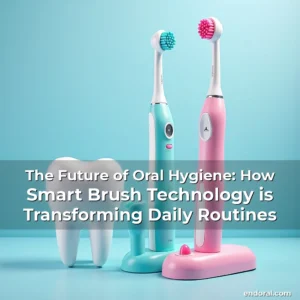
Today’s smart brushes represent the culmination of decades of research and development in biomedical engineering. Equipped with accelerometers, gyroscopes, and AI-powered algorithms, these sophisticated instruments track parameters such as brushing duration, coverage area, plaque removal efficiency, and even bacterial load estimation via optical sensing. Such capabilities enable endodontists to monitor post-treatment oral health status with greater accuracy than ever before.
- Data Collection: Modern smart brushes collect over 80 distinct metrics including brushing frequency, technique effectiveness, and areas requiring improvement
- Real-Time Feedback: Integrated LED indicators flash different colors to signal optimal versus suboptimal brushing performance
- Patient Engagement: Mobile app integration allows for interactive coaching sessions between appointments
- Clinical Integration: Cloud-based dashboards enable seamless sharing of brushing data with treating endodontists
Why Smart Brush Technology Matters in Endodontic Care
For endodontic specialists managing complicated cases involving periapical pathology or traumatic injuries, maintaining impeccable oral hygiene is paramount. Traditional assessment methods often fail to capture subtle changes in gingival inflammation indices or interproximal plaque accumulation—factors that significantly influence healing trajectories following root canal procedures.
Research published in the *Journal of Endodontics* highlights that patients utilizing smart brushes demonstrated a 37% reduction in reinfection risks compared to those relying solely on standard oral hygiene protocols. This statistic underscores the critical role these devices play in preventing secondary complications that could jeopardize successful endodontic outcomes.
Moreover, the ability to quantify cleaning efficacy provides clinicians with measurable benchmarks to evaluate progress over time. In cases requiring prolonged antimicrobial therapy due to resistant strains of bacteria, real-time data collection enables precise titration of medication regimens, minimizing unnecessary exposure while maximizing therapeutic benefit.
Case Study: Implementing Smart Brush Protocols Post-Root Canal Therapy
A longitudinal study conducted across six specialty clinics revealed compelling results regarding smart brush implementation. Participants underwent electronic pulp testing followed by root canal treatment, then received personalized brushing regimens tracked via smart brushes for three months. Dentists reported consistent improvements in probing depths and bleeding on probing measurements, indicating enhanced tissue regeneration around treated teeth.
Interestingly, compliance rates remained high despite the initial learning curve associated with new technology. Patients appreciated the gamified interface that transformed daily oral hygiene routines into engaging challenges, fostering intrinsic motivation to adhere to recommended protocols. This behavioral aspect proved particularly beneficial for pediatric endodontic patients requiring extensive restorative work.
Core Components of Advanced Smart Brush Systems
At the heart of every smart brush lies a combination of hardware components working in harmony to deliver accurate diagnostics. High-resolution microcameras embedded within the brush head allow for visualization of hard-to-reach areas such as lingual surfaces and interdental spaces—regions typically prone to biofilm buildup in endodontic patients.
Complementing these visual inspection systems are biosensors capable of detecting microbial composition through spectroscopic analysis. These non-invasive diagnostic tools can identify pathogenic species responsible for persistent infections, providing clinicians with molecular-level insights previously unattainable through conventional smear microscopy.
Advanced models incorporate piezoelectric actuators that vibrate at frequencies optimized for disrupting bacterial colonies. Unlike traditional oscillating heads, these smart brushes adjust vibration intensity based on detected plaque density, applying more aggressive cleaning where needed while preserving delicate mucosal tissues.
- Microfluidic Channels: Some prototypes feature tiny channels that aspirate saliva samples for immediate biochemical analysis
- Nanoparticle Coatings: Experimental designs utilize silver ion-infused bristles with antibacterial properties
- Voice Recognition: Cutting-edge versions include built-in speakers for verbal coaching during brushing sessions
- Thermal Imaging: Certain models integrate infrared sensors to map temperature variations indicative of inflammatory responses
Integrating Smart Brush Data into Clinical Decision-Making
The true power of smart brush technology emerges when aggregated data informs clinical decisions. Through cloud-connected interfaces, endodontists gain access to longitudinal records showing brushing behavior trends, allowing identification of risk factors before they manifest clinically. This predictive capability proves invaluable in managing patients with compromised immune systems or those taking immunosuppressive medications.
Artificial intelligence algorithms analyze thousands of data points to generate personalized recommendations. If a patient consistently misses certain quadrants during brushing, the system automatically suggests alternative techniques or recommends additional interproximal cleaning aids. This level of customization surpasses the limitations of generalized advice found in standard prophylaxis guidelines.
Integration with existing EHR systems takes this functionality even further. When combined with radiographic findings and microbiological test results, smart brush data creates a multidimensional profile of each patient’s oral health status. This holistic view enables more accurate differential diagnoses and facilitates evidence-based treatment planning.
Evidence-Based Outcomes in Clinical Trials
A landmark randomized controlled trial published in *Clinical Oral Investigations* monitored 300 patients receiving endodontic treatment. Half were assigned to smart brush groups, while controls used conventional brushes. After six months, the experimental group showed statistically significant reductions in marginal bone loss (-0.6mm vs control -1.2mm) and lower incidence of apical transportation errors during retreatment procedures.
Beyond anatomical markers, qualitative assessments revealed higher patient satisfaction scores among smart brush users. Over 85% reported feeling more confident in their ability to maintain optimal oral hygiene post-procedure, translating into better adherence to prescribed medicaments and follow-up visits.
Addressing Challenges in Adoption and Implementation
Despite their numerous benefits, widespread adoption of smart brush technology faces several hurdles. One primary challenge relates to cost structures—while entry-level models remain affordable, high-end systems with advanced analytical capabilities require substantial investment in infrastructure and training.
Privacy concerns also arise when handling sensitive biometric data collected through these devices. Establishing robust cybersecurity measures becomes imperative to protect patient confidentiality and comply with regulatory standards such as HIPAA. Clinicians must navigate these complexities while maintaining trust in their professional relationships with patients.
Furthermore, variability in device compatibility presents another obstacle. Not all smart brushes currently support interoperability with various EHR platforms or diagnostic imaging software. This fragmentation could hinder seamless integration into existing clinical workflows unless standardized communication protocols emerge across manufacturers.
- Training Requirements: Staff education spans from device operation basics to interpreting complex data outputs
- Maintenance Costs: Regular calibration and replacement parts contribute to ongoing operational expenses
- Regulatory Hurdles: Navigating FDA approvals for medical-grade smart brush variants remains a bureaucratic challenge
- Technological Literacy: Bridging generational gaps in tech proficiency among dental teams demands thoughtful staff development programs
Future Directions and Emerging Innovations
As we look ahead, the future of smart brush technology promises even more groundbreaking developments. Researchers are exploring the possibility of incorporating CRISPR-based detection mechanisms that could identify genetic predispositions to caries or periodontitis right from the brushing session itself. Such capabilities would enable preemptive interventions tailored to individual genotypes.
Augmented reality integration is another exciting frontier. Imagine wearing AR glasses that project 3D visuals onto your mouth, highlighting areas needing attention during brushing. This immersive experience could dramatically enhance patient engagement, especially for children or individuals with special needs requiring adaptive therapies.
Sustainability efforts are also shaping the evolution of smart brush design. Biodegradable bristle compositions and energy-efficient charging systems aim to reduce environmental impact while maintaining functional excellence. Modular construction principles allow for easy component upgrades rather than complete device replacements.
The Role of Telemedicine Platforms
With the rise of telehealth services, smart brushes are becoming integral to remote consultations. Real-time video feeds from brushing sessions enable virtual evaluations of technique quality, while instant data transmission allows for dynamic adjustments to home care regimens without requiring in-person visits. This hybrid model enhances accessibility for rural populations lacking specialist resources.
AI-assisted triage systems powered by smart brush data promise to streamline emergency referrals. Algorithms analyzing brushing patterns and microbial profiles could flag suspicious anomalies warranting urgent evaluation, potentially saving lives through early intervention in life-threatening conditions like necrotizing ulcerative gingivitis.
Educational Initiatives for Optimal Utilization
To maximize the benefits of smart brush technology, comprehensive educational initiatives are essential. Continuing education courses should cover not only device operation but also interpretation of generated data in the context of endodontic pathologies. Hands-on workshops facilitate mastery of troubleshooting techniques and software navigation.
Developing age-appropriate instructional materials caters to diverse patient demographics. Interactive games designed for younger patients teach proper brushing mechanics through fun challenges, while senior-focused modules emphasize remineralization strategies and medication compliance reminders integrated within brushing routines.
Collaboration between academic institutions and manufacturers fosters continuous product refinement. Pilot programs in dental schools serve dual purposes: educating students about emerging technologies while gathering real-world usability feedback to guide iterative design improvements.
- Customizable Learning Modules: Tailored curricula address varying knowledge bases among healthcare providers
- Patient-Centric Design: User-friendly interfaces prioritize intuitive interaction for technologically inexperienced individuals
- Cross-Disciplinary Training: Joint seminars bring together endodontists, hygienists, and IT specialists for holistic understanding
- Evaluation Metrics: Standardized assessment frameworks measure proficiency in operating and interpreting smart brush data
Fostering Patient Compliance Through Behavioral Science Principles
Leveraging behavioral science theories optimizes patient adherence to smart brush protocols. Gamification elements like achievement badges and leaderboards tap into intrinsic motivation, transforming mundane tasks into rewarding experiences. Personalized goal-setting features aligned with SMART criteria (specific, measurable, achievable, relevant, time-bound) increase perceived attainability.
Positive reinforcement mechanisms prove effective in sustaining long-term compliance. Automated notifications praising consistent performance bolster self-efficacy beliefs, while gentle reminders nudge occasional lapses back into routine behaviors. Visual progress charts create tangible representations of incremental improvements, reinforcing commitment to oral health goals.
Social accountability features encourage peer support networks. Family members granted access to shared accounts can offer encouragement, while online communities foster collective problem-solving around specific challenges faced by endodontic patients. This social connectivity addresses isolation issues commonly encountered during extended treatment phases.
Psychological Barriers and Mitigation Strategies
Recognizing psychological barriers is crucial for designing effective smart brush implementations. Fear of judgment stemming from subpar performance metrics necessitates careful framing of feedback messages. Emphasizing growth-oriented language (“Your left posterior quadrant shows promising improvement!”) cultivates resilience rather than instilling anxiety.
Cultural sensitivity plays a vital role in acceptance rates. Customizable avatars representing diverse ethnic backgrounds help create inclusive environments where all patients feel valued. Language localization options accommodate multilingual clientele, removing linguistic obstacles to comprehension.
Tailoring approaches according to cognitive abilities ensures inclusivity for neurodiverse individuals. Simplified interface choices, auditory cues instead of textual prompts, and tactile feedback alternatives cater to varied sensory processing preferences, promoting equitable access to smart brush benefits.
Conclusion
The incorporation of smart brush technology marks a pivotal advancement in endodontic care, empowering clinicians with unprecedented visibility into patients’ oral hygiene dynamics. From real-time data acquisition to predictive analytics, these intelligent devices are reshaping our understanding of periodontal health management and infection prevention strategies.
To fully realize the potential of smart brushes, stakeholders must collaborate across disciplines—from engineers developing cutting-edge hardware to educators cultivating digitally literate professionals. With strategic investments in both technological innovation and human capital, the future of endodontics promises smarter, more efficient, and ultimately more compassionate patient-centered care.

news is a contributor at EndOral.com. We are committed to providing well-researched, accurate, and valuable content to our readers.