The Ultimate Smart Brush Handbook: Innovations, Benefits, and Expert Insights
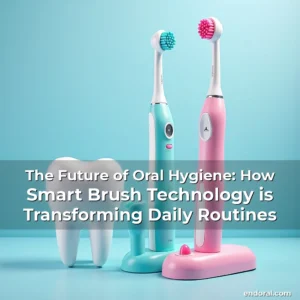
In an era where technology seamlessly integrates with daily routines, smart brushes have emerged as game-changers in personal care. These devices combine advanced sensors, connectivity features, and AI-driven feedback to enhance brushing habits. Whether you’re a dental enthusiast or simply looking to upgrade your oral hygiene routine, understanding the intricacies of smart brushes is essential.
Smart brushes are more than just high-tech gadgets—they represent a shift toward data-informed health practices. By tracking metrics such as brushing duration, pressure applied, and plaque removal efficiency, these tools empower users to take control of their dental well-being. This guide will explore everything from key innovations to real-world applications, helping you make informed decisions about incorporating smart brushes into your life.
Understanding the Core Technologies Behind Smart Brushes
A smart brush’s functionality hinges on its ability to collect and analyze user-specific data. At the heart of each device lies a combination of motion sensors, pressure sensors, and Bluetooth connectivity that work together to provide actionable insights. These components allow the brush to detect when you’re over-brushing, missing certain areas, or completing your session efficiently.
The integration of artificial intelligence further elevates smart brushes beyond basic toothbrushes. Through machine learning algorithms, these devices can adapt to individual brushing patterns and offer personalized recommendations. For example, they might suggest adjusting technique based on historical data showing inconsistent coverage across teeth surfaces.
Bluetooth connectivity ensures seamless synchronization with mobile apps, enabling users to track progress over time. Most modern models pair effortlessly with smartphones, allowing for real-time notifications and weekly summaries that highlight trends in brushing behavior. Some even integrate with virtual coaching platforms offering guided sessions tailored to specific needs.
- Motion Sensors: Track brush movement to ensure thorough coverage of all quadrants
- Pressure Sensors: Alert users when applying excessive force that could damage enamel
- Bluetooth Integration: Enables data transfer between brush and smartphone app for analysis
The Evolution of Oral Care Technology
The journey from manual bristles to electric toothbrushes marked significant advancements in dental hygiene. However, the emergence of smart brushes represents the next evolutionary leap by transforming oral care into a quantifiable science. Early versions focused primarily on vibration mechanisms before incorporating digital elements that now define today’s market leaders.
Pioneering brands introduced GPS-like mapping capabilities within mouths using ultrasonic pulses, creating detailed topographical maps of each user’s dentition. This innovation allows for targeted cleaning strategies that traditional methods cannot achieve. The evolution has also seen the rise of modular designs where attachments can be swapped out depending on specific dental requirements—such as interdental cleaners or tongue scrapers.
Historical Milestones in Brush Innovation
While the first powered toothbrush appeared in the early 20th century, it wasn’t until recent decades that smart technologies began influencing personal grooming products. In 2012, Philips launched the Sonicare DiamondClean Smart with built-in sensors that tracked brushing performance through a companion app. This set a new benchmark for interactive oral care solutions.
By 2018, companies like Colgate had integrated AI-driven coaching systems capable of recognizing poor technique in real-time. These breakthroughs paved the way for current-generation devices featuring biometric monitoring and predictive analytics that anticipate potential issues before they become serious problems.
How Smart Brushes Improve Daily Hygiene Routines
Incorporating a smart brush into your morning and evening rituals introduces measurable improvements in both efficiency and effectiveness. Unlike conventional brushes that rely solely on user memory, these devices enforce consistent routines through automated timers and reminders. This consistency helps establish long-term healthy habits without requiring conscious effort.
Data collection plays a crucial role in identifying gaps within existing routines. For instance, if a user consistently misses the back molars during brushing, the device would flag this pattern and recommend adjustments. Over time, this feedback loop encourages behavioral changes that lead to better overall results.
One notable benefit comes from the motivational aspect provided by many apps associated with smart brushes. Gamification elements such as streak counters, achievement badges, and social sharing features create engagement that goes beyond mere task completion. Users often find themselves competing against past performance rather than feeling burdened by routine obligations.
Evaluating Key Features Before Making a Purchase
Selecting the right smart brush involves considering several critical factors that align with individual preferences and dental needs. While some prioritize battery longevity, others may value app compatibility above all else. Understanding which features matter most will streamline the decision-making process significantly.
Battery life remains a primary concern due to the frequent use required by brushing twice daily. High-quality models typically last anywhere from two weeks to three months on a single charge, though this varies widely among manufacturers. Wireless charging options add convenience but tend to increase price points substantially.
App integration determines how effectively collected data translates into useful information. The best apps feature intuitive dashboards displaying brushing history, improvement trends, and customized tips based on usage patterns. Compatibility with iOS and Android operating systems expands accessibility while ensuring ongoing support updates.
- Brush Head Variety: Offers flexibility for different mouth structures and dental conditions
- Vibration Settings: Allows customization according to sensitivity levels
- Synchronization Capabilities: Ensures accurate data transmission between brush and phone
Real-World Applications Across Different Age Groups
Smart brushes cater to individuals across various stages of life, providing tailored benefits that address age-related challenges. Children particularly benefit from gamified interfaces designed to encourage regular brushing without resistance. Parents appreciate features like parental controls that monitor children’s brushing habits remotely.
For older adults experiencing mobility limitations, adaptive grip handles reduce strain on joints while maintaining full functionality. Additionally, elderly users often require specialized modes targeting common concerns such as gum recession or dry mouth symptoms caused by medication side effects.
Younger professionals thrive under productivity-oriented approaches where brushing becomes part of their wellness regimen. Many models sync directly with calendar apps to schedule optimal times based on daily commitments—a subtle yet powerful reminder system embedded within busy schedules.
Dental Professionals’ Perspectives on Smart Brush Adoption
Dentists increasingly recognize the value of smart brushes in promoting preventive care measures at home. Regular patients who utilize these devices show improved outcomes compared to those relying only on clinical visits. This shift supports the growing emphasis on patient autonomy in managing personal health affairs.
Some practitioners caution against over-reliance on technological indicators, emphasizing that subjective sensations remain vital alongside objective measurements. A balanced approach combining sensor-based guidance with professional advice yields the best possible results for maintaining oral health standards.
Clinics are beginning to incorporate smart brushes into treatment plans, especially for patients with special needs or chronic conditions affecting dental maintenance. Customized programs created via connected apps help reinforce therapeutic goals outside clinical settings, extending the impact of professional interventions indefinitely.
Future Trends Shaping Next-Generation Devices
Ongoing research suggests exciting possibilities for future iterations of smart brushes equipped with even greater diagnostic capacities. Emerging fields like nanotechnology promise microscopic-level analysis capable of detecting early signs of cavities or periodontal disease far sooner than current methods permit.
Integration with broader IoT ecosystems positions smart brushes as integral parts of holistic wellness networks. Imagine receiving alerts not just about brushing quality but also correlating oral health data with other physiological markers monitored by wearables—an interconnected view of overall bodily wellness.
Artificial intelligence enhancements will likely result in self-correcting mechanisms within devices themselves. Future models might autonomously adjust brushing intensity or direction based on real-time assessments rather than merely recording behaviors post-factum.
Conclusion
This handbook has explored the multifaceted world of smart brushes, highlighting their technological foundations, real-world applications, and potential future developments. As we’ve discussed, these innovative tools transform everyday dental routines into opportunities for continuous improvement through data-driven insights.
To fully harness the power of smart brushes, consider selecting a model aligned with your lifestyle needs while staying open to evolving technologies. Embrace this advancement not merely as another gadget but as a gateway towards enhanced self-awareness regarding one’s health management journey.

news is a contributor at EndOral.com. We are committed to providing well-researched, accurate, and valuable content to our readers.