Professional Gum Health: Advanced Techniques
Gum health is a critical component of overall well-being that often goes overlooked until problems arise. Maintaining healthy gums requires more than routine brushing—it involves a deep understanding of oral microbiology, dietary influences, and modern treatment approaches.
The connection between gum health and systemic conditions like diabetes, cardiovascular disease, and respiratory infections makes it essential to prioritize this aspect of personal hygiene. This guide explores advanced techniques for preventing and managing periodontal issues.
Understanding Periodontal Anatomy
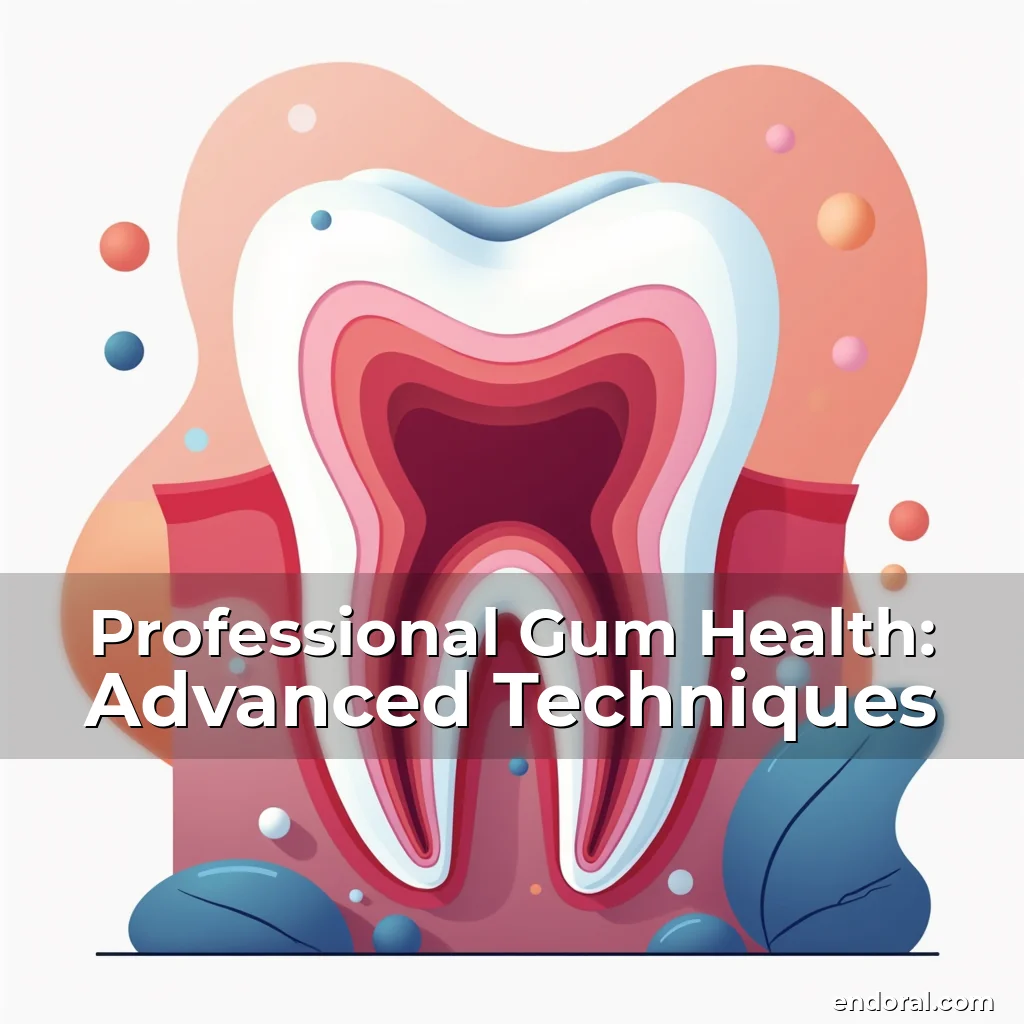
The human mouth contains approximately 32 teeth supported by specialized structures known as alveolar bone ridges. These bony sockets house tooth roots and provide stability to the entire dentition system.
Beneath the visible portion of teeth lies the gingiva, or gum tissue, which forms a protective barrier against bacterial invasion. Proper anatomy knowledge helps identify early signs of inflammation and infection.
- Dental plaque: A biofilm composed primarily of Streptococcus mutans bacteria that initiates enamel demineralization when left unchecked
- Periodontal ligaments: Connective tissues anchoring teeth to jawbone that become inflamed during gum disease progression
Mechanisms Behind Gum Diseases
Chronic inflammation resulting from persistent bacterial colonization leads to progressive destruction of supporting tooth structures. The immune response triggered by these microorganisms causes collateral damage over time.
Three primary stages characterize periodontitis development: initial gingivitis, moderate periodontitis, and severe attachment loss. Early detection significantly improves prognosis outcomes.
Pathophysiology Overview
A study published in the Journal of Clinical Periodontology found that 75% of adults experience some form of periodontal pathology by age 40. Inflammation markers such as interleukin-1β increase substantially during active disease phases.
The process begins with gingival irritation from bacterial metabolites causing vasodilation and capillary leakage. This sets off a cascade leading to connective tissue degradation and eventual bone resorption.
Advanced Diagnostic Methods
Modern diagnostic tools now allow clinicians to assess periodontal status with unprecedented accuracy. Digital imaging technologies reveal subsurface changes invisible to conventional methods.
Laser-assisted probing provides precise measurements of pocket depths while minimizing patient discomfort. Cone-beam computed tomography (CBCT) scans visualize three-dimensional bone architecture.
- Clinical attachment level: Measures distance from cementoenamel junction to base of periodontal pocket, indicating severity
- Bone defect classification: Categorizes types of osseous defects affecting treatment approach selection
Innovative Treatment Approaches
Regenerative therapies represent a significant advancement in treating established periodontal defects. Guided tissue regeneration uses biocompatible membranes to facilitate natural healing processes.
Laser therapy protocols vary depending on lesion type and depth. Er,Cr:YSGG lasers show particular effectiveness in reducing microbial load without damaging surrounding tissues.
Evidence-Based Protocols
A meta-analysis in the International Journal of Dental Science reported success rates exceeding 80% for regenerative procedures when performed correctly. Patient adherence to post-treatment maintenance determines long-term outcomes.
Treatment planning must consider individual factors including smoking status, genetic predispositions, and medication use. Customized plans maximize therapeutic benefits.
Nutritional Considerations for Optimal Gum Health
Vitamin deficiencies play a crucial role in compromising mucosal integrity and delaying wound healing. Specifically, vitamin C deficiency leads to scurvy characterized by swollen bleeding gums.
Zinc supplementation demonstrates beneficial effects in modulating inflammatory responses associated with chronic periodontitis. However, excessive intake may cause adverse interactions.
- Antioxidant-rich foods: Berries, green tea, and dark chocolate help neutralize free radicals contributing to oxidative stress
- Omega-3 fatty acids: Found in salmon and flaxseed oils, they reduce pro-inflammatory cytokine production
Oral Hygiene Regimens for Different Age Groups
Kids require simplified routines focusing on establishing positive habits rather than complex technique mastery. Flossing instruction should emphasize gentle motion avoiding traumatic papilla injuries.
Adults benefit from incorporating antimicrobial rinses containing chlorhexidine gluconate, though prolonged use may lead to staining complications. Electric toothbrushes offer enhanced plaque removal efficiency.
- Pediatric considerations: Fluoride varnishes applied by professionals provide superior caries prevention compared to home applications
- Geriatric adaptations: Soft-bristled brushes accommodate decreased manual dexterity while still maintaining adequate cleaning efficacy
Emerging Therapies and Research Frontiers
Stem cell research holds promise for future regenerative treatments targeting lost periodontal structures. Autologous stem cells derived from adipose tissue demonstrate potential for tissue engineering applications.
Probiotic formulations containing Lactobacillus reuteri strains have shown encouraging results in clinical trials for reducing harmful microbial populations in the oral cavity.
- Gene therapy approaches: Targeting specific virulence genes in pathogenic bacteria could revolutionize antimicrobial strategies
- Artificial intelligence integration: Machine learning algorithms assist in predicting disease progression patterns from historical data sets
Lifestyle Modifications for Preventive Care
Smoking cessation remains one of the most impactful interventions for improving periodontal prognosis. Nicotine constricts blood vessels limiting oxygen delivery to vulnerable tissues.
Sufficient sleep enhances immune function crucial for fighting recurrent infections. Aim for 7-9 hours nightly to support optimal physiological regulation.
- Exercise regimen: Regular physical activity boosts circulation facilitating nutrient transport and waste removal from periodontal regions
- Stress management: Chronic stress elevates cortisol levels impairing white blood cell functionality against invading pathogens
Longitudinal Management and Follow-Up Protocols
Patients undergoing treatment require personalized recall schedules based on risk assessment profiles. High-risk individuals may need quarterly evaluations instead of standard six-month intervals.
Homecare reinforcement through motivational interviewing techniques increases likelihood of sustained behavior change. Visual aids showing progress help maintain engagement.
- Recall frequency adjustments: Frequency varies from every 3 months for aggressive cases to annually for stable low-risk patients
- Behavior modification programs: Cognitive behavioral therapy principles adapted to address non-adherence issues
Conclusion
This exploration of professional gum health reveals the complexity underlying seemingly simple aspects of oral care. From microscopic biological mechanisms to cutting-edge technological solutions, numerous factors influence periodontal wellness.
By integrating scientific advancements with personalized care strategies, individuals can achieve lasting improvements in gum health. Continued education and proactive measures remain vital components of successful management.

news is a contributor at EndOral.com. We are committed to providing well-researched, accurate, and valuable content to our readers.