Tooth Decay for Beginners: Getting Started
Tooth decay remains one of the most prevalent yet preventable health issues worldwide, affecting people across all age groups. Understanding its causes, symptoms, and prevention methods can empower individuals to protect their dental health effectively.
This guide serves as a beginner-friendly resource tailored specifically for those new to oral health topics. Whether you’re exploring preventive care options or simply curious about what happens beneath your smile, this article aims to provide clear, actionable information.
The Science Behind Tooth Decay
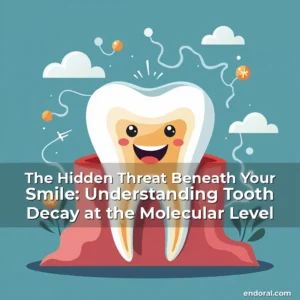
Dental caries originate when bacteria present in plaque convert sugars from food into acids. These acidic byproducts gradually erode enamel, the hard outer layer protecting teeth from damage.
Over time, this erosion creates microscopic holes known as demineralization sites. If left unchecked, these weak spots progress into visible cavities requiring professional treatment.
- Bacteria types: Streptococcus mutans plays a significant role in initiating decay processes through acid production
- Plaque formation: A sticky film develops continuously on teeth surfaces unless removed regularly via brushing/flossing
Enamel regeneration capabilities decrease dramatically once decay has progressed beyond early stages. Early intervention becomes crucial for preserving natural tooth structures.
Risk Factors You Should Know
Varying degrees of risk exist based on lifestyle choices and biological factors. Identifying personal vulnerabilities helps implement targeted prevention strategies.
Certain dietary patterns significantly increase susceptibility to cavity development. Frequent consumption of sugary snacks or beverages provides ideal conditions for bacterial growth.
Genetic predispositions influence both enamel strength and saliva composition. Some individuals naturally produce less protective saliva than others.
Poor oral hygiene routines create environments where harmful microbes thrive unimpeded. Inconsistent cleaning allows plaque buildup to accelerate decay progression.
Medical conditions such as diabetes or dry mouth syndromes heighten vulnerability by altering normal physiological defenses against pathogens.
Medications causing xerostomia reduce salivary flow, impairing nature’s ability to neutralize acids and remineralize tooth surfaces automatically.
Age-Specific Considerations
Children face distinct challenges due to developing teeth and often limited self-care abilities. Baby bottle tooth decay represents a common issue among infants exposed to prolonged sugar exposure.
Adolescents undergoing orthodontic treatments require special attention since braces can trap food particles more easily, increasing local infection risks.
Elderly populations may experience diminished manual dexterity impacting effective brushing techniques. Medication-induced dryness further compounds existing vulnerabilities.
Regardless of life stage, maintaining consistent daily oral care practices remains foundational to preventing progressive dental deterioration.
Recognizing Early Warning Signs
Initial signs of tooth decay might appear subtle but warrant immediate attention before irreversible damage occurs. Sensitivity to temperature changes often indicates incipient lesions forming near nerve endings.
Visible white spots appearing on tooth surfaces represent early mineral loss phases detectible through visual inspection. These markings precede actual structural breakdown.
A persistent bad taste or odor originating from affected areas suggests advanced microbial activity within compromised tissues. This symptom typically signals deeper involvement needing professional assessment.
Mild pain upon biting could indicate pulp inflammation beginning inside the tooth chamber. Prompt evaluation prevents escalation toward abscess formation scenarios.
Discoloration ranging from yellowish stains to darkened patches signifies ongoing degradation processes occurring below surface level. Professional diagnosis determines optimal management approaches.
Preventive Strategies for Every Day
Establishing robust daily habits forms the cornerstone of long-term protection against destructive dental processes. Consistent routine maintenance outweighs sporadic intensive efforts in effectiveness.
Frequent brushing sessions spaced evenly throughout waking hours help maintain fresh environment free from accumulating debris. Electric brushes offer enhanced plaque removal efficiency compared to traditional models.
Flossing removes trapped particles inaccessible during regular brushing cycles. Specialized interdental tools prove particularly useful around fixed appliances or bridgework configurations.
Fluoride applications strengthen crystalline matrix structures making them more resistant to corrosive agents. Both topical gels and systemic supplements contribute uniquely to overall defense systems.
Limiting intake frequency rather than absolute quantity proves more impactful in reducing harmful exposures. Choosing water over sugared drinks minimizes opportunities for bacterial metabolism.
Nutritional Guidelines
Dietary modifications play vital roles alongside mechanical cleansing methods. Certain foods inherently promote healthier oral ecosystems while others actively encourage disease progression.
Crunchy vegetables like carrots act as natural abrasives helping clean tooth surfaces during mastication. They stimulate salivation which washes away residual food matter effectively.
Dairy products containing calcium and phosphate ions aid in replenishing lost minerals through continuous remineralization mechanisms operating constantly within oral fluids.
Starchy foods break down rapidly into simple carbohydrates fueling bacterial fermentation activities. Their adhesive qualities allow extended contact times with enamel surfaces.
Sugars from fruits combine with proteins to form complex molecules slower to metabolize. However, frequent snacking still contributes disproportionately to overall acid challenge levels.
Treatment Options Overview
Various clinical interventions address different stages of dental caries severity. Conservative measures suffice for minor defects whereas more invasive procedures become necessary for extensive destruction cases.
Fillings restore functionality after removing damaged portions of teeth. Composite resins match natural coloration better than metal alternatives though durability varies depending on location used.
Inlays/onlays serve as intermediate solutions between direct fillings and crowns. Custom fabricated restorations preserve more healthy tissue than complete coverage replacements.
Crowns encase severely compromised teeth providing structural integrity. Porcelain fused to metal versions balance aesthetics with longevity considerations.
Root canal therapy salvages infected pulp chambers allowing continued usage despite internal necrosis. Post-treatment crown placement protects weakened root structures.
Extractions remain last resort options when preservation attempts fail. Implant-supported prosthetics replace missing teeth restoring chewing capacity and facial contours.
Lifetime Maintenance Practices
Oral health requires sustained commitment throughout lifespan. Regular checkups enable early detection of emerging problems before they escalate uncontrollably.
Professional cleanings remove calculus deposits resistant to home-based removal techniques. Periodontal evaluations identify gum recession trends requiring corrective actions.
Dental sealants applied selectively to molars provide barrier protection against fissure penetration. Fluoride varnishes enhance localized resistance capacities especially beneficial for children.
Custom mouthguards shield teeth from trauma during sports participation or bruxism episodes. Night guards alleviate excessive grinding damaging occlusal surfaces over time.
Smoking cessation programs reduce periodontitis incidence linked strongly with tobacco product use. Alcohol moderation lowers associated cancer risks connected with heavy consumption patterns.
Continuous education keeps awareness current regarding evolving best practices. Emerging technologies continually refine diagnostic accuracy and treatment efficacy standards.
Emerging Research Directions
Ongoing scientific investigations explore novel approaches addressing longstanding challenges in dental medicine. Biocompatible materials research seeks improved restoration longevity characteristics.
Regenerative therapies utilizing stem cells aim to recreate lost dentin layers biologically instead of relying solely on artificial substitutes. Initial trials demonstrate promising results worth monitoring closely.
Smart devices incorporating sensors monitor real-time pH fluctuations indicating potential caries activity levels. Wireless data transmission enables remote consultations enhancing accessibility features.
Personalized medicine principles apply genetic profiling data predicting individual response rates to various treatment modalities. Tailored regimens optimize outcomes minimizing trial-and-error guesswork.
Nanotechnology innovations develop microscopic carriers delivering targeted fluoride delivery systems precisely where needed most efficiently. Enhanced bioavailability improves therapeutic effectiveness ratios substantially.
Artificial intelligence integration assists radiologists interpreting X-rays faster with higher accuracy detecting minute abnormalities previously overlooked manually. Machine learning algorithms refine predictive modeling capabilities consistently.
Conclusion
Understanding tooth decay fundamentals empowers proactive decision-making regarding personal healthcare choices. Knowledge combined with practical application yields measurable improvements in quality of life metrics.
Implementing recommended preventive steps today lays foundation for lifelong smiles free from avoidable discomfort. Consultation with dental professionals ensures personalized guidance aligned with unique circumstances.
“`

news is a contributor at EndOral.com. We are committed to providing well-researched, accurate, and valuable content to our readers.