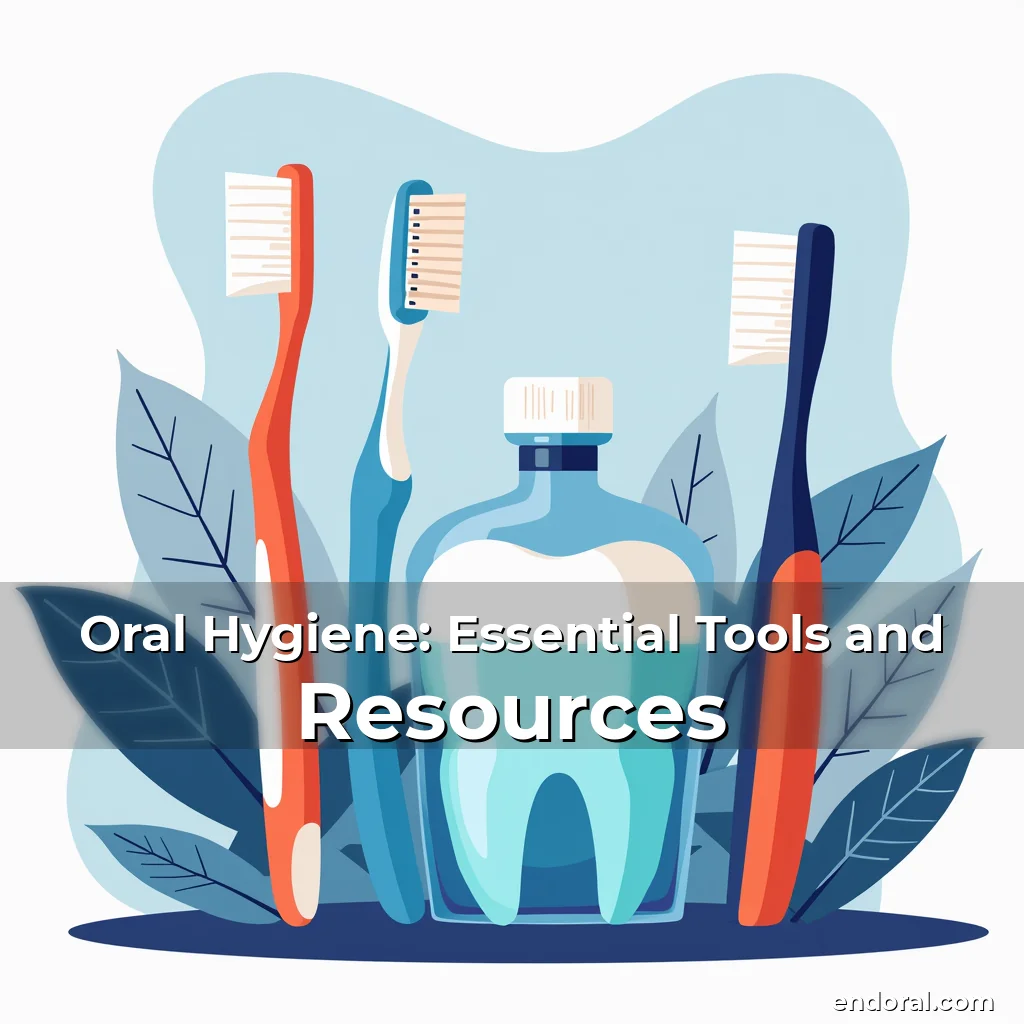
Oral Hygiene: Essential Tools and Resources
The foundation of overall health lies in the condition of our mouths, yet many overlook the significance of maintaining optimal oral hygiene. From preventing tooth decay to reducing the risk of systemic diseases, proper dental care impacts every aspect of well-being.
This comprehensive guide explores the essential tools, techniques, and knowledge required to maintain excellent oral health. Whether you’re new to dental care or seeking advanced strategies, these insights can transform your approach to mouth maintenance.
The Science Behind Oral Health
Understanding the biological processes involved in oral hygiene helps us appreciate why certain practices are crucial. Our mouths host millions of bacteria, some beneficial but others harmful when left unchecked.
The balance between good and bad bacteria determines whether we experience cavities, gum disease, or other oral issues. When plaque accumulates on teeth, it hardens into tartar which can lead to periodontitis if not removed regularly.
Biofilms: These microbial communities form on surfaces in our mouths, including teeth and gums. Their composition changes based on diet and oral habits, influencing susceptibility to various conditions.
- Dietary Impact: Sugars feed harmful bacteria, increasing acid production that erodes enamel
- Saliva Function: This natural fluid contains enzymes that neutralize acids and help remineralize tooth surfaces
Daily Oral Care Routine Essentials
A consistent daily routine forms the backbone of effective oral hygiene. While specifics may vary slightly between individuals, core components remain universally important.
Brushing twice daily remains fundamental despite evolving technologies. Electric toothbrushes offer enhanced cleaning power through oscillating heads or sonic vibrations that remove more plaque than manual brushing alone.
Flossing complements brushing by reaching interdental spaces inaccessible to bristles. However, traditional floss isn’t suitable for everyone due to dexterity challenges or physical limitations.
Mouthwashes containing antimicrobial agents provide additional protection against pathogens that cause gingivitis and bad breath. Look for products with active ingredients like chlorhexidine or cetylpyridinium chloride.
Tools for Modern Oral Care
Innovations continue transforming how people manage their dental health. Interdental brushes offer alternative options for those who struggle with conventional flossing methods.
Sonic toothbrushes
Smart toothbrushes equipped with Bluetooth connectivity track brushing patterns and provide feedback via mobile apps, helping users develop better technique over time.
Preventive Dental Procedures
Regular visits to professional dentists play a vital role in maintaining long-term oral health. Beyond basic checkups, preventive treatments contribute significantly to reducing complications later.
Dental sealants serve as protective barriers against cavities, especially on molars where deep grooves make them vulnerable to decay. These thin coatings last for years before needing reapplication.
Fluoride treatments strengthen enamel through remineralization processes that reverse early signs of demineralization caused by acidic environments in the mouth.
Professional cleanings remove calculus buildup that cannot be eliminated through regular home care efforts, preventing progression from gingivitis to more severe periodontal disease stages.
The Role of Nutrition in Oral Health
Certain foods naturally promote healthy teeth while others accelerate deterioration. Crunchy fruits and vegetables stimulate saliva flow which washes away debris and neutralizes acids produced by bacteria.
Calcium-rich dairy products support bone density in jaw structures, indirectly benefiting dental stability. However, excessive consumption of sugary beverages creates ideal conditions for bacterial growth leading to cavities.
Vitamin C deficiency manifests visibly through swollen, bleeding gums associated with scurvy. Ensuring sufficient intake supports collagen synthesis critical for maintaining connective tissues in the mouth area.
Hydration levels affect saliva production; chronic dehydration reduces this protective function making individuals more susceptible to dry mouth syndrome and related problems.
Common Misconceptions About Oral Care
Many myths persist regarding what constitutes proper dental hygiene. One widespread belief holds that vigorous scrubbing prevents cavities, but this often leads to enamel erosion rather than improved cleanliness.
While whitening toothpaste might seem beneficial, frequent use can wear down tooth surfaces over time unless specifically formulated for sensitive teeth. Always consult professionals before initiating any bleaching regimen.
Some people assume that once they’ve completed orthodontic treatment, they don’t need special attention anymore. In reality, post-brace care requires extra vigilance to prevent staining and plaque accumulation during adjustment periods.
There’s also confusion surrounding tongue cleaners – though they do help reduce odor-causing microbes, there’s limited evidence showing significant improvements in overall oral health compared to standard brushing routines.
Advanced Techniques for Special Needs
Individuals with disabilities or medical conditions require adapted approaches to achieve comparable results in oral hygiene management. Customized solutions exist across different categories of need.
For visually impaired persons, audio-guided toothbrushes assist in positioning properly during brushing sessions while vibrating cues indicate completion times for each quadrant of the mouth.
Patients undergoing radiation therapy face increased risks of xerostomia (dry mouth), necessitating specialized products such as artificial saliva substitutes combined with fluoride varnishes applied professionally.
Those with motor impairments benefit from adaptive devices designed for easier grip control, including oversized handles or angled brushheads that accommodate limited hand mobility.
Oral Hygiene During Pregnancy
Hormonal fluctuations during pregnancy heighten vulnerability to gum inflammation known as pregnancy gingivitis. Proper care becomes even more critical during this phase to avoid complications affecting both mother and child.
Increased blood flow causes gums to become tender and prone to bleeding easily upon contact with normal brushing pressures. Using soft-bristled brushes along with gentle circular motions proves most effective.
Pregnant women should prioritize regular dental checkups alongside routine prenatal appointments since untreated infections may contribute to preterm labor or low birth weight scenarios.
Nutritional demands rise dramatically during gestation, requiring careful monitoring of calcium intake balanced against potential cravings for sugar-laden snacks that compromise dental integrity.
Educational Resources for Continuous Learning
Staying informed about best practices involves utilizing available educational materials ranging from digital platforms to interactive learning modules developed by dental associations worldwide.
Online courses offered by recognized institutions cover topics from basic anatomy to complex procedures, enabling self-directed learners to deepen their understanding progressively.
Mobile applications now simulate real-life situations allowing users practice diagnosing common oral issues virtually before consulting actual practitioners face-to-face.
Podcasts featuring interviews with experts discuss emerging trends and research findings accessible anytime anywhere, making continuous education convenient for busy schedules.
Community Engagement and Support Networks
Building connections within local communities fosters shared experiences among individuals pursuing similar goals related to improving personal dental health outcomes.
Support groups organized either digitally or physically bring together members facing comparable challenges, facilitating peer-to-peer exchanges of practical advice gathered firsthand.
Volunteer opportunities exist through outreach programs aimed at educating underserved populations about fundamentals of prevention rather than solely focusing on treatment interventions.
Participation in clinical trials contributes meaningfully towards advancing scientific knowledge while providing access to cutting-edge therapies before general availability occurs commercially.
Conclusion
Maintaining optimal oral hygiene requires commitment to ongoing education, appropriate tool selection, and adherence to scientifically validated protocols established by dental professionals globally.
By integrating recommended daily routines with periodic professional evaluations, anyone can achieve remarkable improvements in their overall health status extending far beyond mere aesthetic considerations.

news is a contributor at EndOral.com. We are committed to providing well-researched, accurate, and valuable content to our readers.