Electric Toothbrush vs Alternatives: Complete Comparison
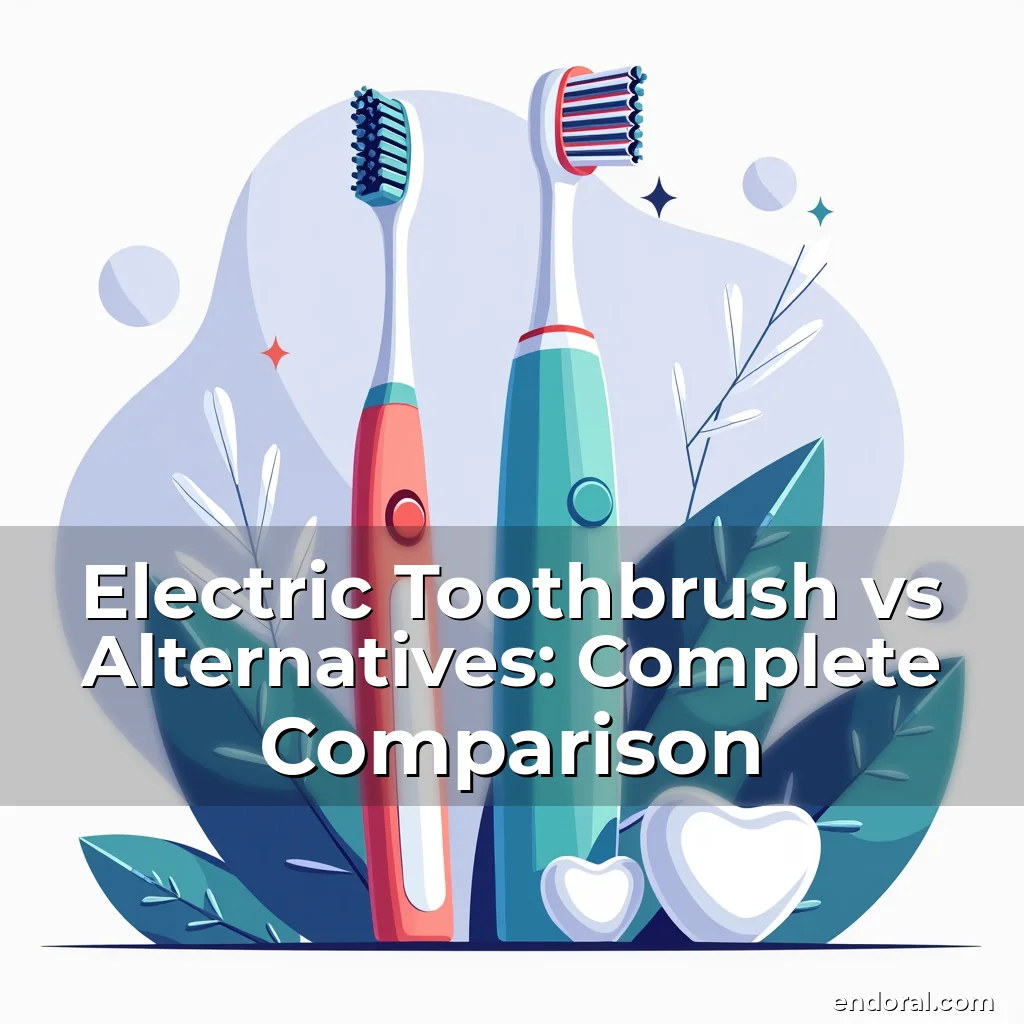
The debate between electric and manual toothbrushes has been ongoing for decades. With advancements in dental technology, electric toothbrushes have become increasingly popular among consumers seeking better oral hygiene. This comparison explores the advantages and limitations of each option.
Dental professionals often recommend electric toothbrushes due to their proven effectiveness. However, some individuals still prefer traditional methods based on personal preference or budget constraints. Understanding these differences can help you make an informed decision.
The Science Behind Electric Toothbrush Technology
Modern electric toothbrushes utilize advanced technologies such as sonic vibrations and rotating heads. These mechanisms remove plaque more efficiently than manual brushing techniques. Sonic brushes use high-frequency movements that create micro-bubbles around teeth surfaces.
Rotating-electric models feature round brush heads that spin at various speeds. Both types outperform standard manual brushes by ensuring thorough cleaning without excessive pressure from users. Studies show improved gum health outcomes when using electric devices regularly.
Many electric models come equipped with built-in timers and pressure sensors. These features promote optimal brushing duration and prevent damage caused by aggressive scrubbing motions. Some even offer personalized settings for different mouth conditions.
- Sonic vibration: Creates microscopic bubbles that loosen debris between teeth
- Rotational movement: Provides consistent contact across all tooth surfaces
- Smart tracking: Syncs with apps to monitor brushing habits over time
Some higher-end models include AI-powered feedback systems. These analyze your brushing patterns and suggest improvements through mobile applications. This level of interactivity enhances user engagement with daily routines.
Charging capabilities vary significantly among electric toothbrushes. Rechargeable units typically last two weeks on a single charge, while corded versions require direct electrical connections during use. Battery life depends largely on usage frequency and model specifications.
Evaluating Oral Health Benefits
Clinical trials demonstrate that electric toothbrushes reduce gingivitis symptoms faster than manual alternatives. Their motion control ensures coverage of hard-to-reach areas behind molars and along gum lines. Consistent use leads to noticeable improvements within four weeks.
People with limited dexterity benefit greatly from electric options. Those suffering from arthritis or other mobility issues find it easier to maneuver these tools effectively. The automated action reduces physical strain during brushing sessions.
American Dental Association studies confirm significant plaque reduction rates with regular use. Users report less sensitivity after switching from conventional methods. Long-term data shows reduced risk factors for periodontal disease development.
Brushing technique plays a crucial role in overall effectiveness. Even with an electric device, improper angling against teeth can lead to inadequate cleaning results. Proper head positioning is essential for maximizing benefits.
Hybrid approaches combining both types may yield best results for certain populations. Dentists sometimes recommend alternating between electric and manual brushes depending on individual needs and preferences. Customized regimens ensure optimal maintenance strategies.
Cost Analysis: Budget Considerations
Purchase prices range widely from $20 entry-level models up to premium brands costing several hundred dollars. Initial investment costs must be balanced against long-term savings associated with improved dental care.
Replacement parts represent another recurring expense. Brush heads need replacing every three months regardless of brand type. Premium models might require specialized accessories adding to total cost calculations.
Insurance coverage varies considerably depending on location and policy terms. Some providers partially reimburse expenses related to medical necessity diagnoses. Always check with insurance representatives before making purchases.
Maintenance requirements differ between brush types. Manual brushes only need occasional rinsing whereas electric variants demand periodic charging and cleaning cycles. Time spent maintaining equipment impacts overall convenience levels.
Resale value considerations apply primarily to high-end models. Used electric toothbrushes retain partial value compared to new ones but depreciate rapidly once opened packaging. Research resale markets before buying second-hand products.
User Experience Factors
Comfort becomes a key consideration when choosing between brush types. Ergonomic designs influence ease-of-use and grip security during operation. Soft bristles are recommended for sensitive gums regardless of brush style.
Noise levels affect usability especially for early morning routines. Quieter models allow discreet use without disturbing household members. Sound intensity varies based on motor strength and design engineering.
Portability matters for frequent travelers or those living away from home. Compact travel cases protect devices during transport while keeping them organized. Cordless models provide greater flexibility for on-the-go use scenarios.
Stylistic choices contribute to product appeal. Color options and sleek finishes enhance visual attractiveness which can motivate continued use. Personalization features increase emotional attachment to dental care tools.
Environmental impact assessments reveal mixed results regarding sustainability efforts. While plastic components pose disposal challenges, many companies now offer recyclable packaging solutions addressing ecological concerns raised by eco-conscious buyers.
Comparative Performance Metrics
Plaque removal efficiency remains the primary performance metric used in comparisons. Independent laboratory tests consistently rank electric brushes above manual counterparts in this category. Measurable reductions occur within initial usage periods.
Gum irritation indices show lower readings for users employing electric devices. Reduced inflammation markers indicate healthier soft tissue responses to mechanical stimulation. This correlation strengthens recommendations supporting electronic alternatives.
Bristle wear analysis reveals slower degradation rates in electric models. Constant motion distributes wear evenly across brush surface rather than concentrating stress points found in hand-held implements. Longer-lasting bristle integrity maintains cleaning efficacy longer.
Brushing consistency measurements highlight superior adherence rates with electric assistance. Timers enforce standardized durations promoting complete coverage of all quadrants. This structured approach prevents rushed or incomplete brushing episodes.
Oral sensation reports describe enhanced freshness perceptions post-brushing experiences. Improved circulation stimulated by vibratory actions contributes positively to overall mouthfeel sensations reported by testers.
Specialty Applications & Medical Recommendations
Orthodontic patients derive particular benefits from electric toothbrushes. Curved brackets and wires present unique cleaning challenges addressed effectively by oscillating heads. Special ortho brush attachments maximize access around braces hardware.
Individuals undergoing implant procedures maintain cleanliness standards required for successful osseointegration processes. Precise movements enabled by electric mechanisms support ideal healing environments free from bacterial contamination risks.
Patients recovering from oral surgeries benefit from gentle yet effective cleansing provided by modern electric models. Pressure-sensitive features prevent accidental trauma to delicate tissues during rehabilitation phases.
Children’s dental development stages necessitate tailored approaches. Pediatric-specific electric brushes incorporate fun elements encouraging compliance with recommended brushing schedules. Vibrating modes stimulate interest in routine dental practices.
Geriatric populations gain significant advantages from adaptive brushing technologies. Motion-controlled features compensate for age-related coordination declines enabling independent self-care activities. Built-in reminders assist memory impaired individuals maintaining regular routines.
Emerging Innovations & Future Trends
Artificial intelligence integration promises transformative changes in dental care delivery. Machine learning algorithms analyze real-time brushing data identifying inefficiencies requiring correction. Predictive analytics forecast potential problem areas needing focused attention.
Nanotechnology advances enable creation of antibacterial bristle coatings reducing microbial buildup on brush surfaces. Self-sanitizing properties prolong useful lifespan minimizing cross-contamination hazards between uses.
Wireless connectivity expands functionality beyond basic cleaning duties. Cloud-based platforms store historical records allowing dentists to track progress remotely. Remote monitoring facilitates proactive interventions preventing complications from developing unnoticed.
Biometric authentication introduces secure access controls restricting unauthorized use by children or pets. Fingerprint recognition ensures only designated users operate expensive equipment protecting investments from misuse incidents.
Customizable brush profiles cater to diverse patient needs ranging from mild sensitivity treatments up to intensive plaque removal protocols. Adjustable speed settings accommodate varying degrees of oral health requirements dynamically adapting to changing conditions.
Conclusion
The choice between electric and manual toothbrushes hinges on multiple factors including effectiveness, comfort, cost, and special needs. Modern innovations continue improving both categories offering enhanced options catering to varied lifestyles and budgets.
Consultation with dental professionals provides personalized guidance helping select the most suitable solution aligned with individual circumstances. Regular professional cleanings complement any chosen method ensuring comprehensive oral wellness maintenance strategies remain intact.

news is a contributor at EndOral.com. We are committed to providing well-researched, accurate, and valuable content to our readers.